Can you imagine waking up each morning to the silent, golden glow of sunlight hitting the peak of Mont Blanc? That emotional pull-the deep connection to raw alpine grandeur-is what draws discerning buyers to Chamonix. This isn’t just about acquiring property; it’s about anchoring yourself in the heart of the world’s most legendary mountaineering valley. But how do you navigate a market where views, altitude, and legacy all factor into value?
Essential criteria for your Chamonix real estate search
Chamonix isn’t a single destination-it’s a valley of distinct micro-environments, each with its own rhythm and appeal. Your ideal location depends on whether you prioritize ski-in/ski-out access, village charm, or quiet seclusion. Les Praz, for instance, offers direct links to theBrévent/Flégère ski domain, making it a favorite among serious skiers. Argentière, at the foot of the Glacier du Géant, delivers a more rugged, authentic atmosphere, while the town center buzzes with alpine energy, boutique shopping, and year-round cultural life. For those seeking an unparalleled mountain lifestyle, the best option is to buy prime property in Chamonix-Mont-Blanc.
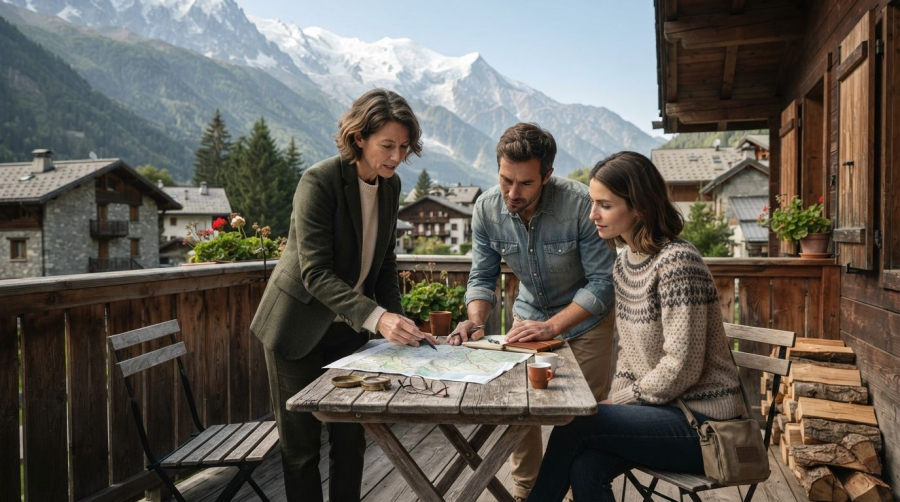
Defining your ideal location in the valley
Location shapes everything-from daily convenience to long-term appreciation. Properties within walking distance of lifts or the town center command a premium, but even small shifts in elevation can dramatically affect sunlight exposure and snow management. South-facing plots are particularly prized, not just for warmth, but for energy efficiency and comfort during long winters.
Must-have amenities for luxury Alpine homes
Today’s buyers expect homes that perform in both winter and summer. That means professional ski rooms with boot warmers and secure storage, wellness areas featuring saunas or indoor pools, and expansive, sheltered terraces designed to capture panoramic views of the Mont Blanc massif. Modern builds increasingly integrate sustainable heating-like geothermal or high-efficiency wood pellet systems-alongside premium finishes such as natural stone, reclaimed timber, and floor-to-ceiling glazing.
- South-facing orientation for natural light and passive solar gain
- Proximity to Brévent/Flégère lifts for direct ski access
- High-speed internet and dedicated workspace for remote living
- Secure underground parking and electric vehicle charging
- Energy-efficient construction compliant with current RT 2012 standards
Chamonix property market trends and opportunities
The Chamonix real estate market has evolved beyond seasonal tourism. With the rise of remote work and increased summer visitation-driven by hiking, climbing, and trail running-buyers now seek properties that serve as year-round residences. This shift has boosted demand for homes with flexible layouts: guest suites that double as offices, gardens for summer entertaining, and reliable connectivity. The result? A more resilient market, less dependent on winter alone.
Evolving demand for dual-season residences
It’s no longer enough for a property to shine in January. Buyers want homes that feel inviting in July, too. That means access to green spaces, outdoor dining areas, and proximity to non-ski activities. Properties offering this dual-season resilience tend to hold their value better and attract broader rental interest. Some developers are even designing new compounds with co-working lounges and wellness trails to cater to this lifestyle shift.
Understanding local price variations
Chamonix’s prices reflect both prestige and practicality. While the average price per square meter often exceeds €6,000, that figure varies widely. New luxury developments in prime zones may reach €8,000-9,000/m², while older, renovation-ready properties in quieter sectors offer more space for the same budget. Unlike some Alpine resorts that have seen volatility, Chamonix maintains strong demand due to its global reputation and limited land availability. That scarcity underpins long-term value.
Comparing different property types in the valley
Each property type in Chamonix offers a different balance of heritage, comfort, and return potential. Whether you’re drawn to the rustic elegance of a traditional chalet or the low-maintenance appeal of a modern apartment, your choice will shape your experience-and your investment.
The appeal of traditional Savoyard chalets
Authentic Savoyard chalets with exposed beams, stone walls, and sloping roofs remain highly sought after. These homes embody the Alpine architectural heritage that buyers dream of. However, many require significant upgrades to meet modern insulation and safety standards. True turnkey examples are rare, and large plots suitable for new builds are even rarer-making existing chalets on sizable land a particularly valuable asset.
| Property Type | Average Size (m²) | Typical Buyer Profile | Rental Yield Potential |
|---|---|---|---|
| Luxury Chalet | 250-500+ | International investors, high-net-worth families | 3-5% (winter peak) |
| Town Center Apartment | 80-150 | Second-home buyers, ski enthusiasts | 4-6% (short-term) |
| Renovation Project | 120-300 | Hands-on owners, design-focused investors | Varies (higher long-term equity) |
Navigating the purchase process as an international buyer
Buying property in France as a non-resident is straightforward-but it requires local insight. The process revolves around the notaire, a public officer who oversees the legal transfer, verifies title, and collects taxes. After signing the compromis de vente (preliminary contract), you’ll have a cooling-off period and time for due diligence. The final deed (acte de vente) is signed weeks later, once financing is confirmed and any conditions are met.
Legal and administrative milestones
French property law protects buyers, but it’s essential to review zoning regulations, co-ownership charges (for apartments), and any easements. For older properties, verifying compliance with building permits and checking for protected architectural features is crucial. A local expert can help interpret the plan local d’urbanisme (PLU), which governs what can be built or modified.
Financing your Alpine investment
International buyers can secure mortgages from French banks, though terms vary by nationality, income source, and credit history. Lenders typically finance up to 60-70% of the property value for non-residents. It’s wise to consult a financial advisor familiar with cross-border transactions to structure ownership efficiently-especially regarding inheritance and tax implications.
Professional property management services
Even if you use your Chamonix home seasonally, bespoke property management is key. Services like routine maintenance, snow clearance, pre-arrival preparations, and rental coordination ensure your property remains in top condition. Many high-end owners offset costs by renting during peak seasons-managed professionally to maintain standards and guest satisfaction.
Future-proofing your investment in the Mont Blanc massif
Alpine real estate isn’t just about today’s comfort-it’s about long-term viability. Environmental regulations are tightening, and energy performance is now a core factor in resale value. The DPE (Diagnostic de Performance Énergétique) rating influences buyer interest, and homes with poor ratings may face restrictions or devaluation in the future.
Environmental regulations and energy standards
France’s Loi Climat targets energy-inefficient buildings, with plans to ban rentals of highly polluting properties. In Chamonix, this means new builds and renovations must meet strict insulation and heating efficiency standards. Investing in high-performance windows, heat recovery ventilation, and renewable energy systems isn’t just eco-friendly-it’s financially prudent.
Infrastructure developments in the valley
Planned upgrades to public transport, including electric shuttle expansions and ski lift modernizations, are enhancing accessibility and reducing congestion. Areas benefiting from these improvements-like Les Praz or the Chamonix Nord district-are seeing increased interest. These developments don’t just improve daily life; they reinforce the valley’s sustainability and long-term appeal.
Maximizing the lifestyle value of your Chamonix home
Ownership in Chamonix extends beyond the property itself. It’s about immersion in a unique mountain culture. From the Festival Musiques au Cœur des Alpes to the Mont Blanc Marathon, there’s a rich calendar of events that bring locals and visitors together. Dining is another highlight, with Michelin-recognized restaurants and traditional fermes-auberges serving Savoyard classics year-round.
Integrating into the local community
Participating in local life-joining a climbing club, attending village markets, or supporting seasonal festivals-adds depth to your experience. Many long-term owners find that their most cherished memories aren’t made on the slopes, but in shared moments at a veillée or a summer alpine pasture dinner.
Design trends for modern mountain interiors
The Modern Alpine aesthetic blends natural materials-like larch, spruce, and slate-with clean, minimalist lines. The goal is warmth without heaviness, achieved through large windows, open-plan living, and a neutral palette accented with textured fabrics. It’s a style that feels both timeless and contemporary, perfectly suited to the dramatic surroundings.
Leveraging local expertise for long-term care
Having a trusted network-architects, artisans, property managers-is essential. Whether it’s repairing a slate roof after a storm or preparing the house for a summer let, local knowledge saves time, money, and stress. These relationships turn ownership from a logistical challenge into a seamless part of your lifestyle.
FAQ
Having lived in the valley for years, what is the one mistake you see newcomers make?
They prioritize views over sunlight. A north-facing apartment with a Mont Blanc vista may look stunning in photos, but it can feel dark and cold for half the year. South or southeast exposure ensures natural warmth and livability, especially in winter-something that’s hard to appreciate until you’re living it.
Is it better to buy in Chamonix town or look at nearby Saint-Gervais as an alternative?
Chamonix offers unmatched prestige and immediate access to world-class terrain, but at a higher price per square meter. Saint-Gervais, part of the Grand Massif, provides excellent skiing and a more relaxed pace, often at better value. The choice depends on whether you prioritize status and centrality or space and affordability.
When is the most strategic time of year to launch a search for a chalet?
The end of the winter season-March to early April-is ideal. Sellers often adjust prices after peak demand, and new listings emerge as owners prepare for spring. It’s also easier to assess snow load, access, and sunlight during this transitional period, giving you a clearer picture of a property’s true condition.
